Tech Innovation

Breakthrough in Quantum Computing Sets New Performance Records

Researchers at Quantum Labs International have announced a groundbreaking advancement in quantum computing technology that promises to revolutionize data processing capabilities. The new quantum processor, dubbed "Qubit-X," has demonstrated unprecedented stability in qubit operations, maintaining coherence for up to 100 microseconds—a significant improvement over previous records.

This development could accelerate complex computations in fields ranging from pharmaceutical research to climate modeling. Dr. Elena Martinez, lead researcher on the project, stated, "We're not just incrementally improving existing technology; we're opening doors to computational possibilities that were previously theoretical."

The team achieved this breakthrough through a novel approach to error correction and a new superconducting material that reduces quantum decoherence. Industry analysts suggest this could shorten the timeline for practical quantum computing applications by several years.

Major tech firms have already expressed interest in licensing the technology, with potential applications in cryptography, artificial intelligence, and complex system simulations. The research paper detailing these findings will be published in next month's issue of Science Advances.

Read More

Climate Change

Global Summit Reaches Historic Agreement on Climate Action

Delegates from 195 countries have reached a landmark agreement at the Global Climate Summit in Geneva, committing to unprecedented carbon reduction targets. The pact, known as the Geneva Accord, sets binding requirements for nations to achieve net-zero emissions by 2050, with intermediate targets every five years starting in 2025.

UN Secretary-General praised the agreement as "the most significant step forward in global climate cooperation since the Paris Agreement." The accord includes provisions for financial assistance to developing nations, technology transfer programs, and a new framework for monitoring and verification of emissions data.

Environmental activists have welcomed the agreement but emphasize that implementation will be key. "The real work begins now," said Climate Action Network director Michael Chen. "We need to ensure these commitments translate to concrete policy changes and investment in renewable energy infrastructure."

The agreement comes amid growing concerns about accelerating climate impacts, including extreme weather events, rising sea levels, and biodiversity loss. Scientists warn that without immediate and drastic action, the planet faces irreversible ecological damage.

Read More
Economic Trends

Global Markets Respond to New Economic Policies

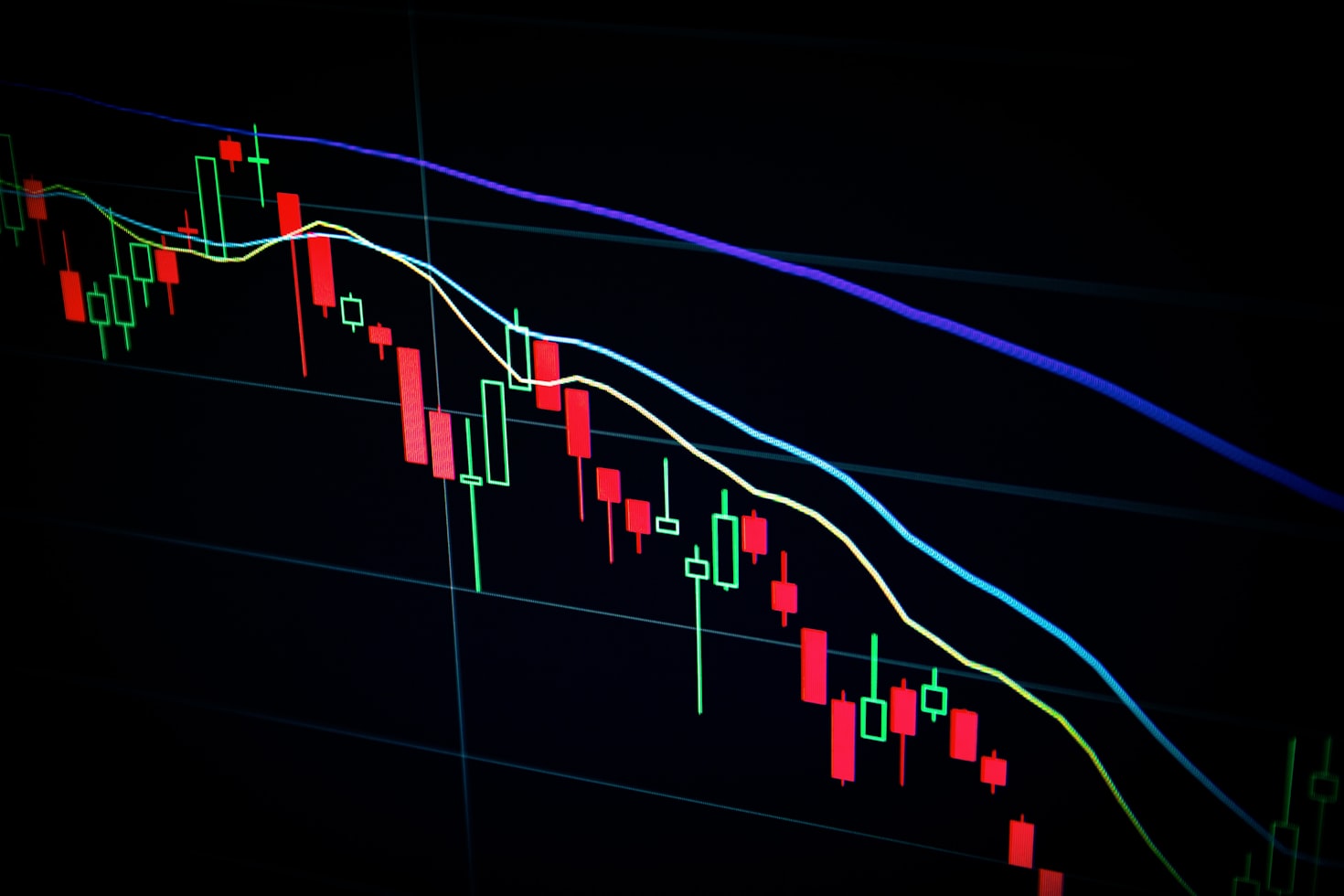
Financial markets worldwide have shown volatile responses to the recently announced economic policies by major central banks. The Federal Reserve's decision to maintain interest rates while implementing quantitative tightening measures has created uncertainty among investors, leading to significant fluctuations in stock indices.

European markets followed suit, with the FTSE 100, DAX, and CAC 40 all experiencing heightened volatility. Asian markets responded more favorably, with Japan's Nikkei index gaining 2.3% and Hong Kong's Hang Seng index rising 1.8%.

Economic analysts are divided on the long-term implications of these policy changes. Some predict a period of adjustment followed by stabilized growth, while others warn of potential recessionary pressures. "The central banks are walking a tightrope," noted economist Dr. Amanda Foster. "They need to control inflation without stifling economic recovery."

The International Monetary Fund has revised its global growth forecast downward by 0.4 percentage points, citing these policy changes and ongoing supply chain disruptions. Meanwhile, cryptocurrency markets have seen increased activity as some investors seek alternatives to traditional assets.

Read More